What Is the NPDB?
Here is a plain-language explanation of the federal database at the center of every credentialing decision in American healthcare — from someone who spent 7 years operating it from the inside.

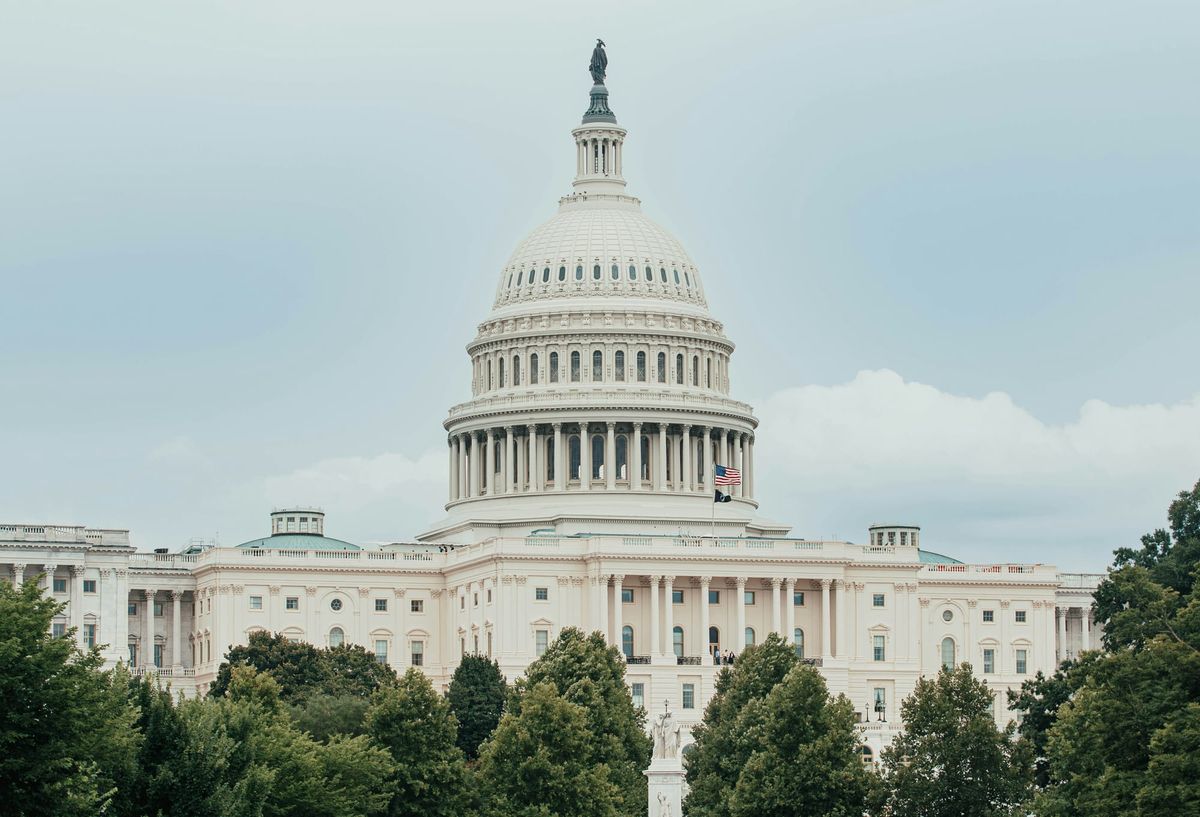
A plain-language explanation of the federal database that touches every licensed clinician in the United States.
It is a database.
Not a blacklist. Not a disciplinary agency. Not a court. A database — created by Congress, administered by the federal government, and invisible to the general public. Most people have never heard of it. Most physicians understand only part of it.
The National Practitioner Data Bank was established by the Health Care Quality Improvement Act of 1986 and has been operational since 1990. Congress created it for a specific reason: to give healthcare institutions a mechanism to share information about licensed practitioners across state lines — and to help reduce fraud and abuse in healthcare. Before it existed, a physician could lose hospital privileges in one state, relocate, and obtain privileges somewhere else without that history ever surfacing. The NPDB was designed to close that gap.
I came to work there because I believed in that mission — protecting patients and the integrity of the healthcare system. That belief has never changed.
Think of it as similar to a CARFAX report — but for clinicians, not cars. And unlike CARFAX, it is not available to the general public. Licensed practitioners can request a Self-Query to view their own record at any time. But the general public cannot look up their doctor. Access is otherwise restricted to specific entities that are either required or authorized to query it: hospitals, medical group practices, state licensing boards, and certain federal agencies, among others.
What goes into it
The NPDB is not a comprehensive employment record. It does not contain every complaint, every performance review, or every difficult patient interaction a clinician has ever had. It contains specific categories of reportable events — defined by federal statute and regulation — including medical malpractice payments, certain adverse privileging actions, and actions taken by state licensing boards.
What makes it consequential is not the volume of information it holds. It is the precision of what it holds — and the permanence of it. A report filed in the NPDB does not expire. It does not disappear after seven years the way a credit event might. It stays.
How it is used
Every time a licensed clinician applies for hospital privileges, applies for a position with a medical group, or comes under review by a state licensing board — that institution or body queries the NPDB. What comes back is a structured record of whether anything reportable exists under that clinician's name.
Hospitals are not just permitted to query the NPDB. In most circumstances, they are required to. A hospital that fails to query the NPDB as part of its credentialing process is out of compliance with federal standards — and potentially exposed to significant liability if something goes wrong with a practitioner whose record they should have reviewed.
It is important to understand what the NPDB does and does not do. The NPDB itself does not make decisions about a practitioner's career. It is a repository of information — structured, permanent, and federally maintained. It is the healthcare entities that query it — hospitals, licensing boards, medical groups — that make decisions based on what they find. How a querying institution interprets and acts on that information is entirely within that institution's own governance processes. The NPDB provides the record. The institution makes the call.

Work With Claudia
Claudia M. Rausch
15 years of federal and institutional healthcare policy experience — available to hospitals, medical executive committees, medical staff services offices, and legal counsel navigating credentialing, privileging, and NPDB regulation. Engagements are strictly confidential.
Schedule a Confidential Consultation →Prefer to reach out first? Submit a confidential inquiry →
Claudia M. Rausch spent 7 years as a federal policy expert inside the National Practitioner Data Bank — reviewing how reports are filed, how disputes are evaluated, and how the agency interprets the rules that govern what ends up in a clinician's permanent record. She now consults with licensed practitioners, healthcare institutions, legal counsel, and individuals navigating situations where the NPDB — and the systems connected to it — are in play.


